Winter is easily the most demanding season for a UV gel manicure. Not because UV gel polish suddenly becomes weaker, but because your hands and nails are exposed to conditions they simply were not designed for. Frosty temperatures, constant contact with gloves and extremely dry air create a perfect storm that can shorten the life of even the best manicure if you are not careful.
The good news is that UV gel nails can absolutely survive winter in great condition. You just need to understand what you are up against and adjust your habits slightly.
Frost and sudden temperature changes - silent enemies of durability
Cold air itself does not damage UV gel polish directly, but rapid temperature changes do. Moving from freezing outdoor air into warm interiors causes the nail plate to expand and contract. This constant movement puts stress on the UV gel layers, especially at the edges.
Over time, this can lead to:
-
lifting near the cuticles,
-
micro-cracks in the top coat,
-
weakened adhesion on the free edge.
How to protect your manicure:
-
Always wear gloves outdoors, even for short trips.
-
Avoid exposing your nails to extreme cold immediately after a fresh manicure.
-
Seal the free edge carefully when applying colour and top coat - this matters more in winter than any other season.

Gloves - protection and problem at the same time
Gloves are essential in winter, but they come with their own risks. Tight gloves create friction, especially when putting them on or taking them off. Repeating this several times a day can slowly weaken the edges of your manicure.
Another issue is moisture trapped inside gloves. Warm hands plus synthetic materials create a humid environment, which softens the nail plate and makes UV gel more prone to lifting once the gloves come off.
What helps:
-
Choose gloves with a softer lining and a slightly looser fit.
-
Avoid pulling gloves off using your fingertips.
-
Let your hands dry completely before putting gloves back on.
Dry air and heating - the real reason cuticles suffer
Indoor heating dries the air dramatically, and your skin feels it first. Cuticles become rough, cracked and irritated, which affects not only comfort but also the look of your manicure. Dry cuticles make even the most beautiful colour look unfinished.
More importantly, dry skin pulls on the nail plate, which can contribute to lifting around the cuticle area.
Winter essentials:
-
Cuticle oil every single day, preferably more than once.
-
Hand cream after washing your hands, without exception.
-
Rich formulas in the evening and lighter ones during the day for comfort.

Washing hands more often than ever
Winter usually means more hand washing, more sanitiser and more exposure to water. While hygiene is non-negotiable, water remains one of the biggest enemies of nail durability.
Pro tips:
-
Wear gloves when cleaning or washing dishes.
-
Pat your hands dry instead of rubbing aggressively.
-
Reapply hand cream immediately after contact with water.
Winter-friendly manicure choices
Cold months are not the time for extreme lengths or ultra-thin structures. Shorter nails with a solid apex and well-balanced thickness cope far better with winter conditions.
Colours and finishes that work best:
-
darker shades that disguise minor edge wear,
-
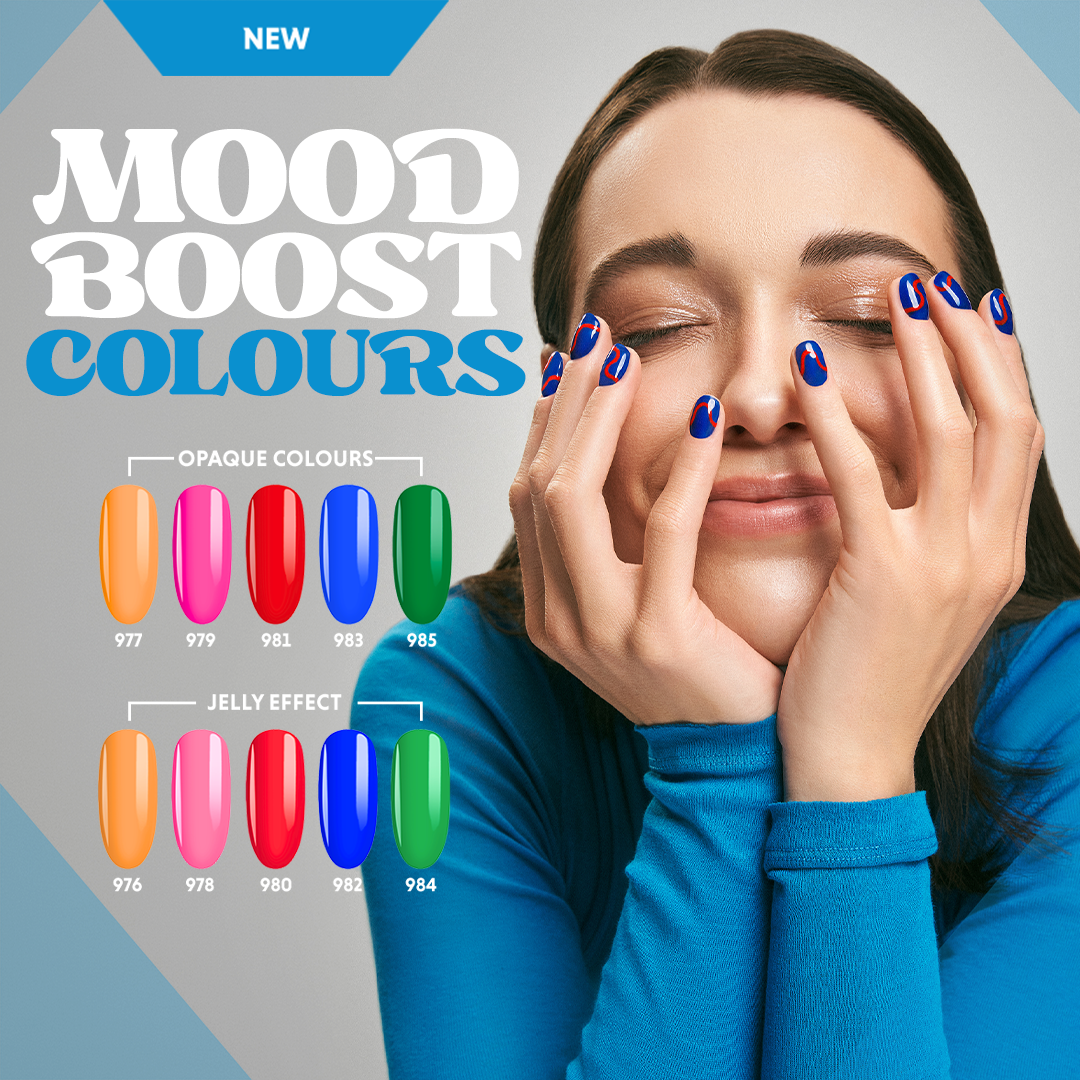
classic reds, deep blues, greens and burgundies,
-
subtle shimmer or satin finishes that reflect light without emphasising imperfections.
A quality top coat is non-negotiable. It is your shield against temperature changes, friction and dryness.
The bottom line
Winter does not ruin UV gel manicures. Winter punishes neglect.
With gloves, daily cuticle care, mindful habits and the right nail structure, your manicure can look just as flawless in January as it does in spring. Treat your nails like part of your winter skincare routine, not an afterthought.
They will return the favour by staying glossy, smooth and intact - even when the weather is doing its worst.