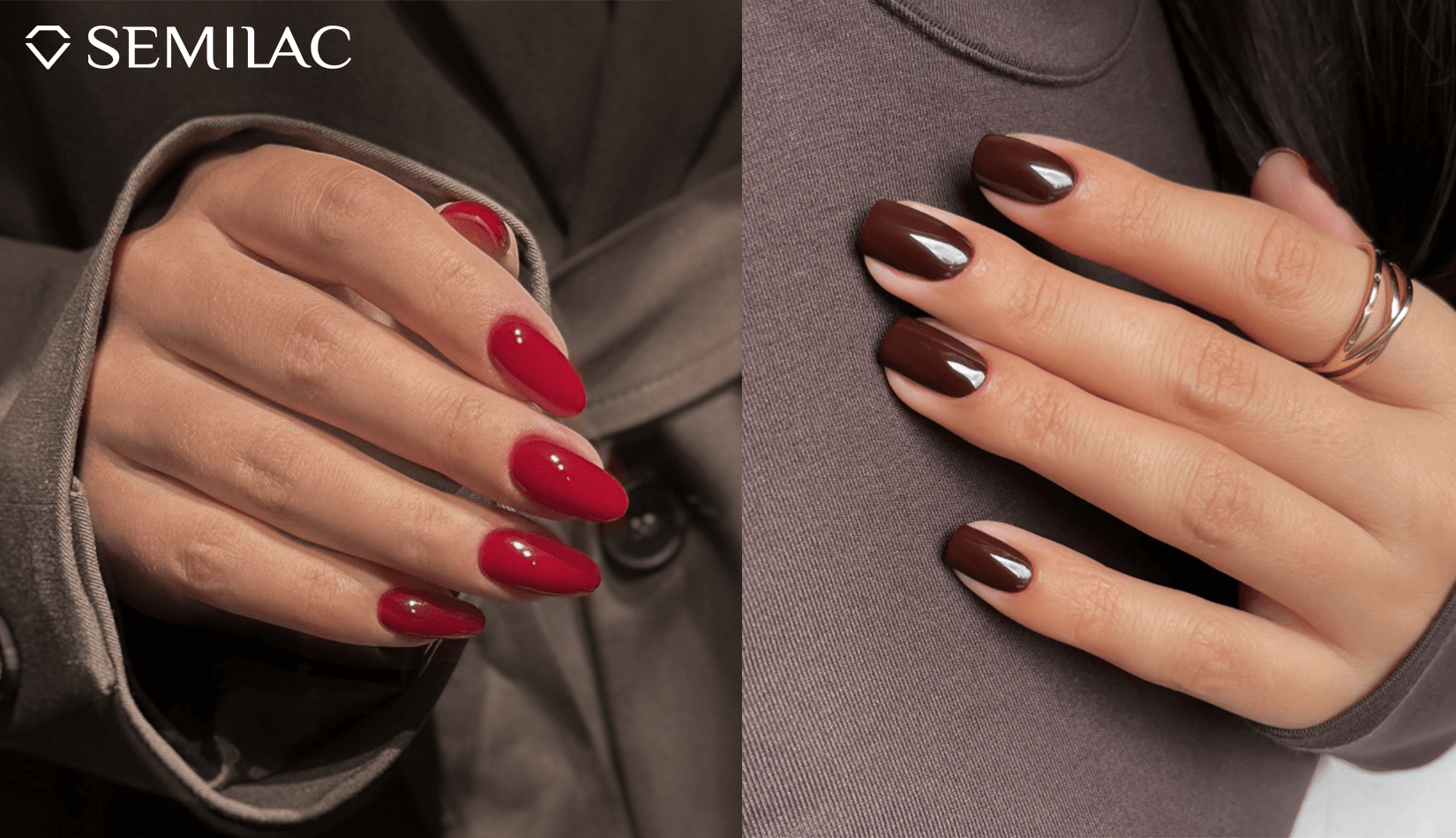
Every year it happens the same way. One day you’re happily wearing deep burgundy, chocolate brown and navy tones, and the next the internet insists it’s time for pastel flowers and baby pink everything. The problem is, real life doesn’t switch seasons overnight and neither should your manicure.
March sits perfectly between cosy winter elegance and fresh spring light. It’s not about abandoning dark shades completely. It’s about softening, lightening and rebalancing your nail colour palette so your manicure evolves naturally with the season.
Welcome to the idea of Spring Reset Nails.
Why the seasonal transition matters
Your manicure is part of your overall style. Heavy winter colours paired with lighter spring clothing can suddenly feel too intense, while jumping straight into bright pastels often looks disconnected from the still-grey weather outside.
The goal is continuity.
A good seasonal transition:
-
feels intentional rather than trend-driven
-
complements changing wardrobes
-
keeps your nails looking modern and wearable
Think of March as a colour bridge, not a restart.

Step one: soften, don’t replace
You don’t need to stop wearing winter shades. You just need to adjust their intensity.
Instead of:
-
deep black → try smoky charcoal
-
espresso brown → move towards mocha or cocoa
These colours still feel grounded and elegant but introduce warmth and lightness that hint at spring.
Step two: introduce sheer and layered finishes
One of the easiest ways to transition colours is through texture rather than shade.
Sheer and semi-transparent finishes instantly make a manicure feel lighter without changing the colour family completely. A jelly layer or glossy topper softens even darker tones, creating depth instead of heaviness.
Layering allows you to:
-
keep favourite winter shades
-
add brightness gradually
-
create a fresher, more dimensional look
It’s the manicure equivalent of swapping a wool coat for a lighter trench.
Step three: shift towards neutral balance
Spring transition nails thrive on balanced neutrals.
Perfect in-between shades include:
-
milky pinks
-
taupe and greige tones
-
soft beige nudes
-
dusty rose hues
These colours work beautifully in unpredictable March weather and match both winter knits and lighter spring outfits.
They also make hands look fresher after months of cold temperatures and dry air.

Step four: lighten the finish, not just the colour
Winter manicures often rely on heavy creams or dense pigments. Spring reset nails benefit from finishes that reflect more light.
Try:
-
high-gloss top coats for a glassy effect
-
satin finishes for softness
-
subtle shimmer instead of glitter
Light reflection makes nails appear healthier and more delicate, even when the base colour remains neutral or slightly dark.
Step five: simplify nail art
Seasonal transitions are not the moment for complex designs. Minimal details work best.
Consider:
-
fine lines
-
micro accents
-
tonal French tips
-
barely-visible shimmer layers
These details add interest while keeping the overall look calm and refined.
The aim is effortlessness, not decoration.
Step six: adjust shape and length
Spring resets are not only about colour. Shape plays a surprisingly big role.
Many people naturally move towards:
-
shorter lengths
-
soft square or rounded shapes
-
cleaner silhouettes
After winter practicality, these shapes feel fresh and modern while still being functional for everyday life.
Colours that define the spring transition
If you want a reliable palette for March, focus on shades that sit between seasons:
-
muted rose instead of bright pink
-
soft coral with brown undertones
-
milky nude rather than stark beige
-
cool lavender-grey instead of pastel lilac
-
translucent reds instead of deep wine tones
These colours signal change without forcing it.

The Spring Reset mindset
A seasonal manicure reset isn’t about trends telling you what to wear. It’s about responding to subtle shifts around you. Longer daylight, softer fabrics, lighter moods. Your nails should evolve alongside those changes.
The best spring manicures don’t announce themselves loudly. They feel natural, polished and quietly refreshed.
Because the most elegant transition is the one nobody notices immediately, yet somehow everything looks lighter, fresher and perfectly in season.