Beautiful, long-lasting manicures are something we all love - but what happens when your favourite UV gel polish suddenly starts causing irritation? Although rare, allergic reactions to UV gel manicures can happen, especially when products are applied or cured incorrectly. Understanding the causes, symptoms, and prevention methods is key to keeping your nails healthy and your manicures worry-free.
What Causes Allergies to UV Gel Polish?
An allergic reaction to UV gel polish (sometimes referred to as “gel allergy”) is usually triggered by uncured monomers - the active ingredients in UV gel formulas. When these come into prolonged contact with the skin, they can cause irritation or sensitisation over time.
The most common causes include:
-
Improper curing - using a non-recommended or weak lamp that doesn’t fully cure the product.
-
Product touching the skin or cuticles - uncured UV gel can be absorbed through micro-tears or irritated skin.
-
Mixing different brands - some ingredients might react with each other.
-
Overexposure - too frequent use of strong products or lack of breaks between manicures.

How to Recognise an Allergic Reaction
Allergic reactions to UV gel products can appear gradually or suddenly, even after years of use. The symptoms most often occur around the nail area but can also spread to the hands or face.
Watch out for:
-
Redness or swelling around the nail folds
-
Itchy or burning sensations
-
Peeling or cracking skin near the cuticles
-
Blisters or fluid-filled spots
-
Nail plate lifting or separating from the nail bed (onycholysis)
If you notice any of these signs, remove the product immediately and consult a dermatologist. Continuing to use the same UV gel polish can make the reaction worse.

How to Prevent UV Gel Polish Allergies
The good news? With the right technique and care, allergic reactions can usually be avoided. Here’s how to keep your manicure safe:
Choose Quality Products
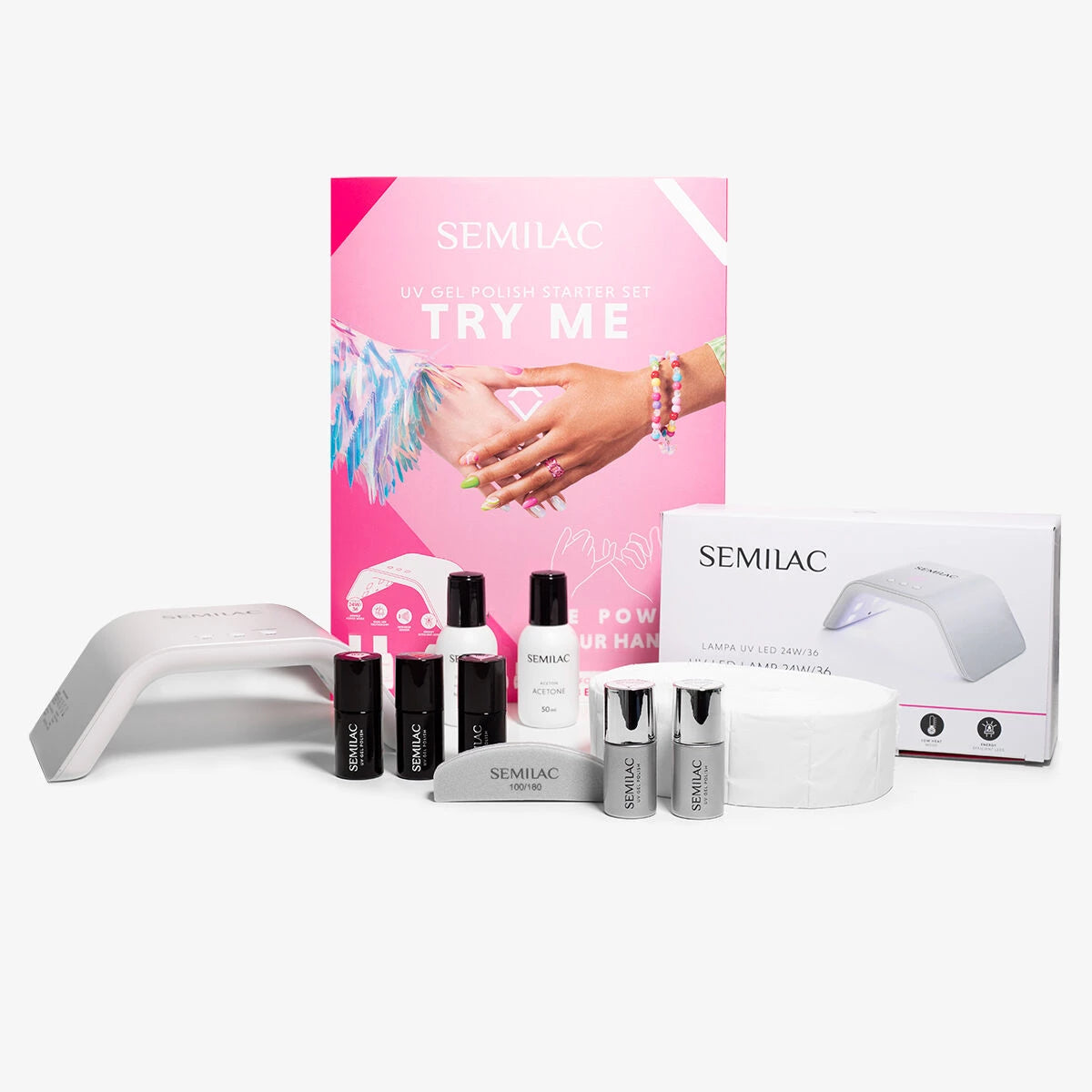
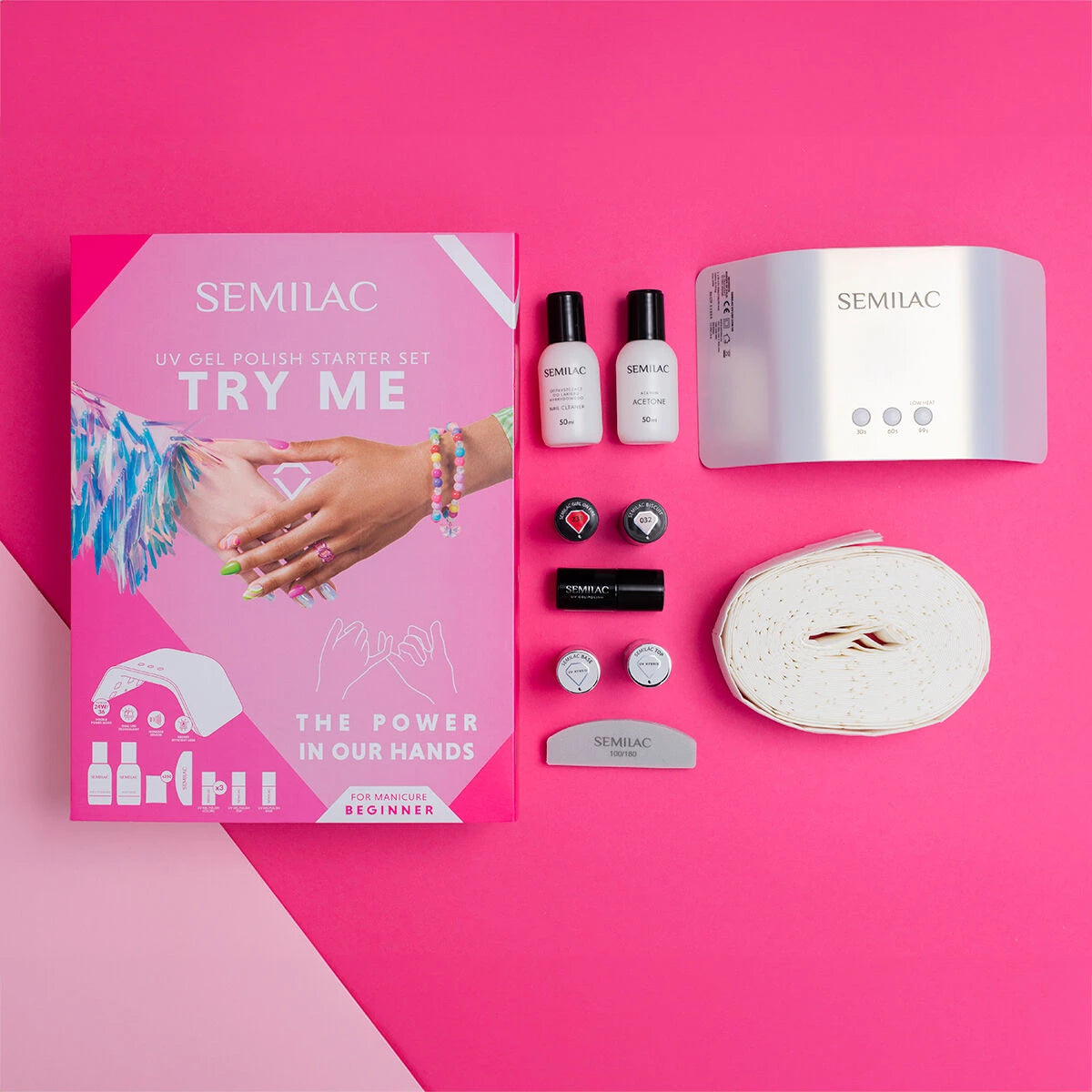
Always use tested, certified brands such as Semilac, which meet European safety standards and are dermatologically tested.
Use the Recommended Lamp
Each UV gel polish has a specific curing time and wavelength requirement. Using the correct Semilac UV/LED lamp ensures full polymerisation and prevents contact with uncured ingredients.
Avoid Skin Contact
Be precise when applying product - UV gel should never touch the skin or cuticles. If it does, remove it before curing.
Keep Your Workspace Clean
Dust, residue, or unwashed brushes can transfer allergens. Always clean your tools properly and disinfect your workspace.

Post-Allergy Care
If you’ve experienced an allergic reaction, give your nails time to recover. Switch to gentle nail care - use nourishing serums, cuticle oils, and avoid UV gel or acrylic products for several weeks. Once your nails are healthy again, you can gradually test products one at a time to see which ones are safe for you.
Final Thoughts
UV gel nails are one of the most popular and durable manicure methods, but just like with skincare or haircare, everyone’s body reacts differently. Choosing high-quality products, following proper curing times, and avoiding skin contact are the best ways to enjoy beautiful, allergy-free nails.
Healthy nails mean happy manicures - and that’s always in style.