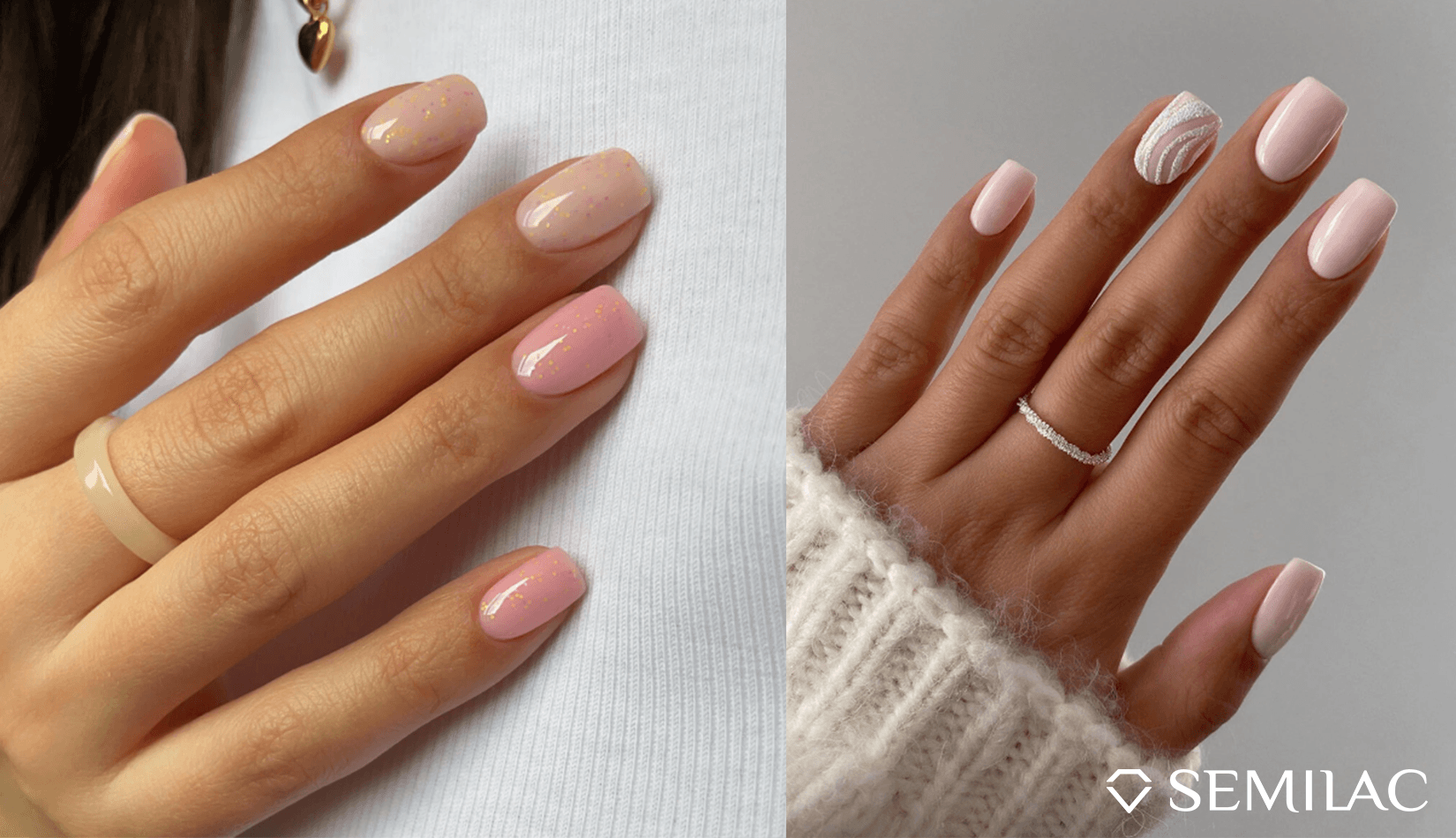
Spring cleaning doesn’t stop at your nail kit. Your nail shape deserves the same reality check.
After winter, many nails are longer, heavier, sometimes a bit tired - grown out through layers of UV gel, cold weather, and “I’ll fix it later” moments.
If your manicure suddenly feels off, bulky or just not like you anymore, it’s probably not the colour. It’s the shape.
A seasonal reset starts here.

Step One: Why Change Your Shape After Winter
Winter and nail length go hand in hand. Longer shapes, deeper colours, more structure. It works - until it doesn’t.
By the time spring arrives, longer nails often:
- feel less practical
- start lifting or breaking more easily
- look heavier against lighter outfits
Shorter, softer shapes instantly feel fresher. Cleaner. More in sync with the season.
This isn’t about trends. It’s about balance.
Step Two: What to Change (and Why)
Let’s be honest about what usually needs adjusting.
Long → Shorter
If you’re constantly worried about breakage, typing awkwardly, or adjusting how you use your hands, your length is working against you.
Shorter nails don’t mean boring. They mean control.
Square → Almond or Oval
Sharp squares can start to feel heavy, especially after winter. Softer shapes like almond or oval elongate the fingers and look more refined with minimal styling.
They also grow out more gracefully. Less maintenance, fewer emergency fixes.
Extreme Shapes → Wearable Shapes
If your nails only look good in photos but not in real life, that’s your sign. Spring is a good moment to come back to something more practical.
Step Three: Match Your Shape to Your Lifestyle (and Patience)
This is where most people get it wrong.
You don’t choose a nail shape based on aesthetics alone. You choose it based on how you actually live.
-
Busy, hands-on lifestyle
Go shorter. Rounded or soft square. Low maintenance, fewer breaks, less stress. -
You like a polished look but hate constant upkeep
Almond or oval. Elegant, but forgiving as they grow out. -
You enjoy styling and don’t mind maintenance
Longer almond or more defined shapes can work - if you’re willing to maintain them properly.
Be realistic. Your nails shouldn’t require a lifestyle change to survive.
Step Four: How to Change Shape Without Breaking Everything
This is where impatience causes damage.
-
Don’t force a drastic shape change in one go
Going from long square to short almond instantly can weaken the structure if done aggressively. -
Reduce length gradually
Shorten first. Then refine the shape over one or two appointments if needed. -
File, don’t clip aggressively
A file gives you control. Clippers can create stress points and micro-cracks. -
Rebuild structure if needed
If your nails are thin or weakened, reinforce them with a proper base before reshaping fully. -
Respect the natural growth pattern
Your nails already “want” to grow a certain way. Work with it, not against it.
No drama. No sudden snapping. Just controlled change.

The “Does This Actually Work for Me?” Rule
Before committing to a shape, ask:
Does it feel comfortable day to day?
Can I maintain it without constant repairs?
Does it still look good after two weeks?
If the answer is no, it’s not the right shape - no matter how good it looked on someone else.

The Result: A Shape That Feels Like You Again
Changing your nail shape isn’t just a visual update. It changes how your hands move, how your manicure wears, and how confident you feel using your hands every day.
A good shape should:
- feel natural
- wear evenly
- require less effort to maintain
- match your current lifestyle, not your past habits
Spring is about letting go of what no longer fits.
That includes your nail shape.