In this guide: what UK pedicure clients expect from the service in 2026, how to design a pedicure menu that drives rebookings, and which details separate a forgettable appointment from one that fills your column for the summer.
Pedicure is the fastest-growing segment in European nail salons, projected at 8.7% annual growth through 2033 (SkyQuest Technology Consulting, 2024). That's faster than gel manicure, faster than nail art, faster than extensions.
The reason is simple: pedicure has been repositioned. Clients treat it as a self-care ritual now, and they'll pay for the experience, not just the finish.
If your pedicure service looks the same as it did three years ago, you're leaving money and rebookings on the table.
What clients actually expect now
The 2026 pedicure client has been shaped by Instagram, spa culture, and pandemic-era self-care habits. Their expectations have shifted in three specific ways.
They expect hygiene to be visible. Autoclaved tools, disposable liners, sealed product packs. Clients want to see the cleanliness, not just trust it. Visible hygiene consistently ranks as the top decision factor when clients choose a new salon, ahead of price and location.
Display your sterilisation process. Use sealed tool pouches opened in front of the client. It costs nothing extra and builds more trust than any online review.
They expect comfort, not just results. The chair matters. The temperature of the soak matters. Whether you ask before touching their feet matters. Pedicure is the most physically intimate nail service. Clients are barefoot, legs out, often self-conscious. The salons that acknowledge this with small gestures (a warm towel, a 60-second calf massage, asking permission before filing calluses) get repeat bookings.
They expect the colour conversation. Clients are more likely to rebook with a salon that makes shade recommendations rather than pointing at a colour wall. For pedicure, this means suggesting shades that work on toes specifically.
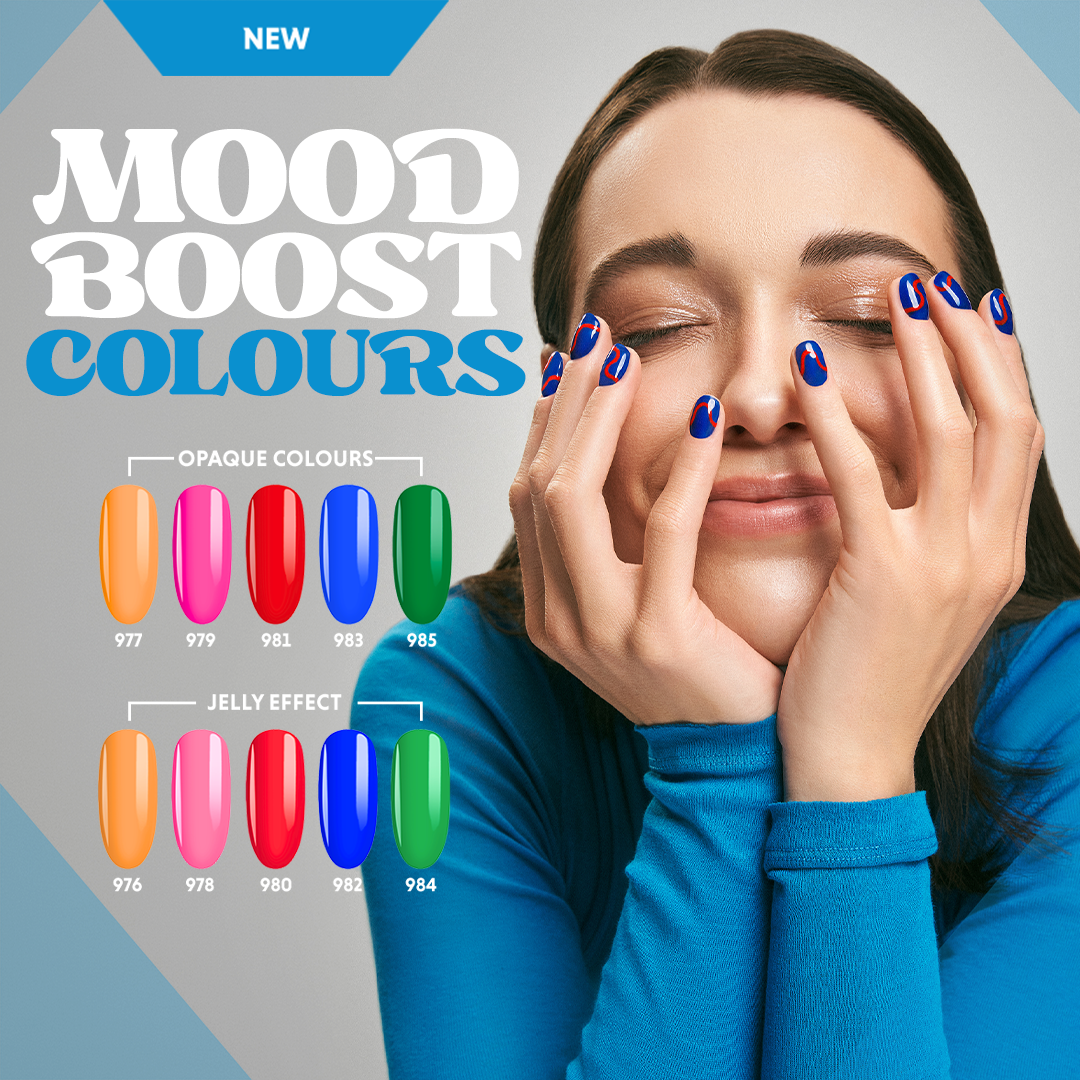
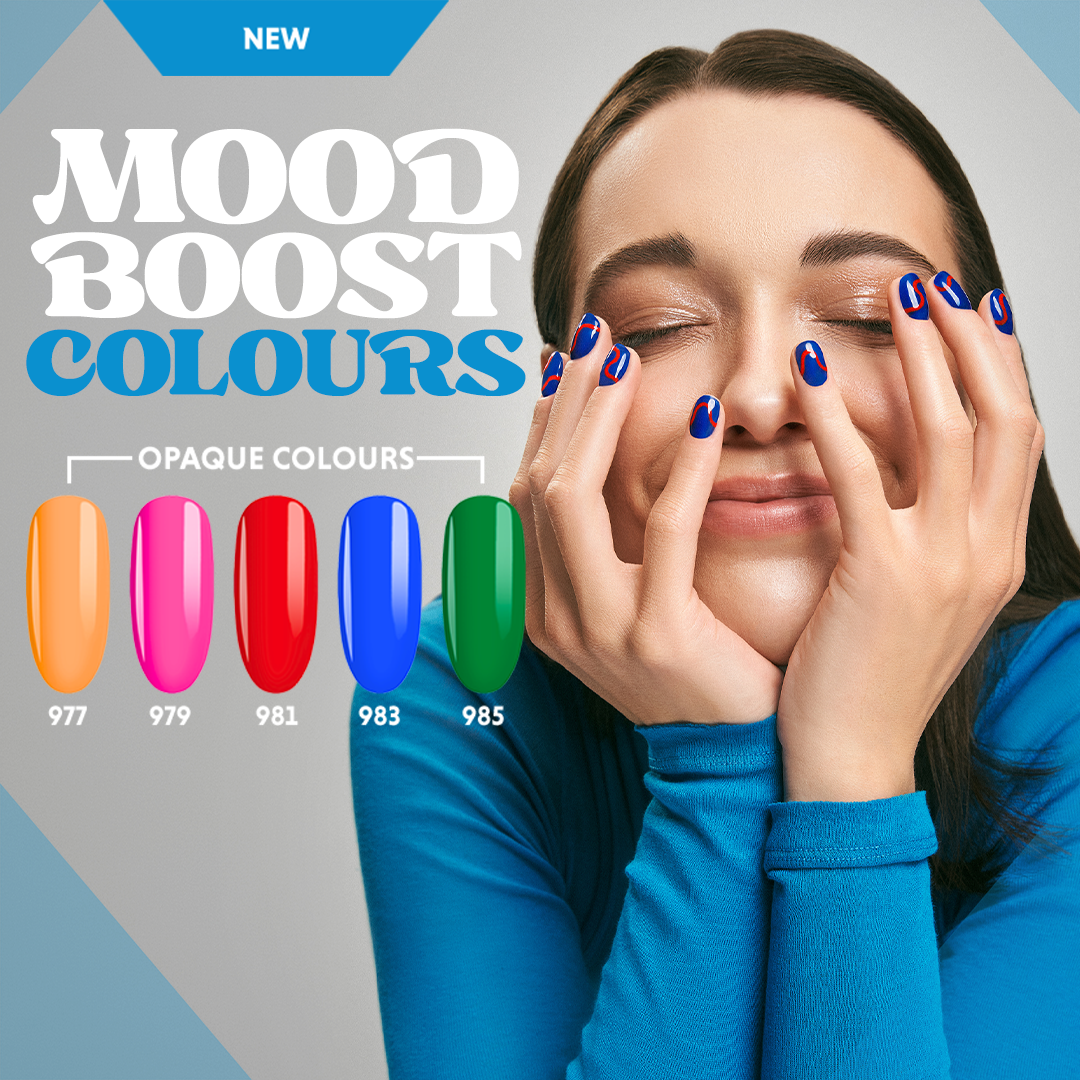
Toes and fingers don't work the same way. Corals, peaches, and classic reds read better on toes than they do on hands. Sheer nudes suit people who want low-maintenance pedicures. Having 5 to 6 "recommended for toes" shades ready on a mini display wheel saves consultation time and increases colour confidence.
Designing your pedicure menu
Most salon pedicure menus have two tiers: basic and luxury. That's one tier too few.
A three-tier structure works better for revenue and client satisfaction:
Tier 1 — Express Gel Pedicure (£28 to £35)
Soak, nail shaping, cuticle push-back, gel polish application. 30 to 35 minutes. This is your volume service, quick enough to slot between manicure appointments, affordable enough for monthly rebookings.
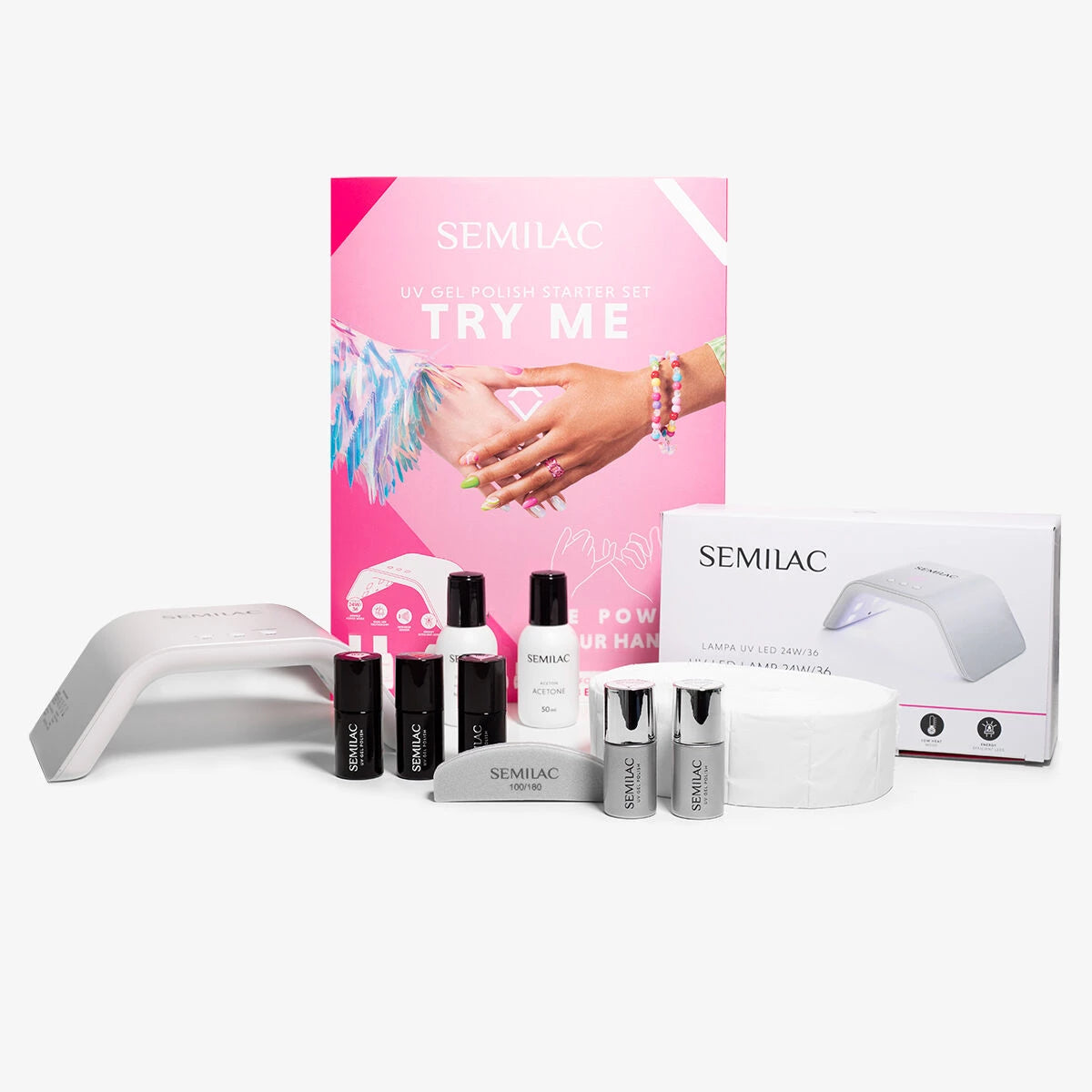
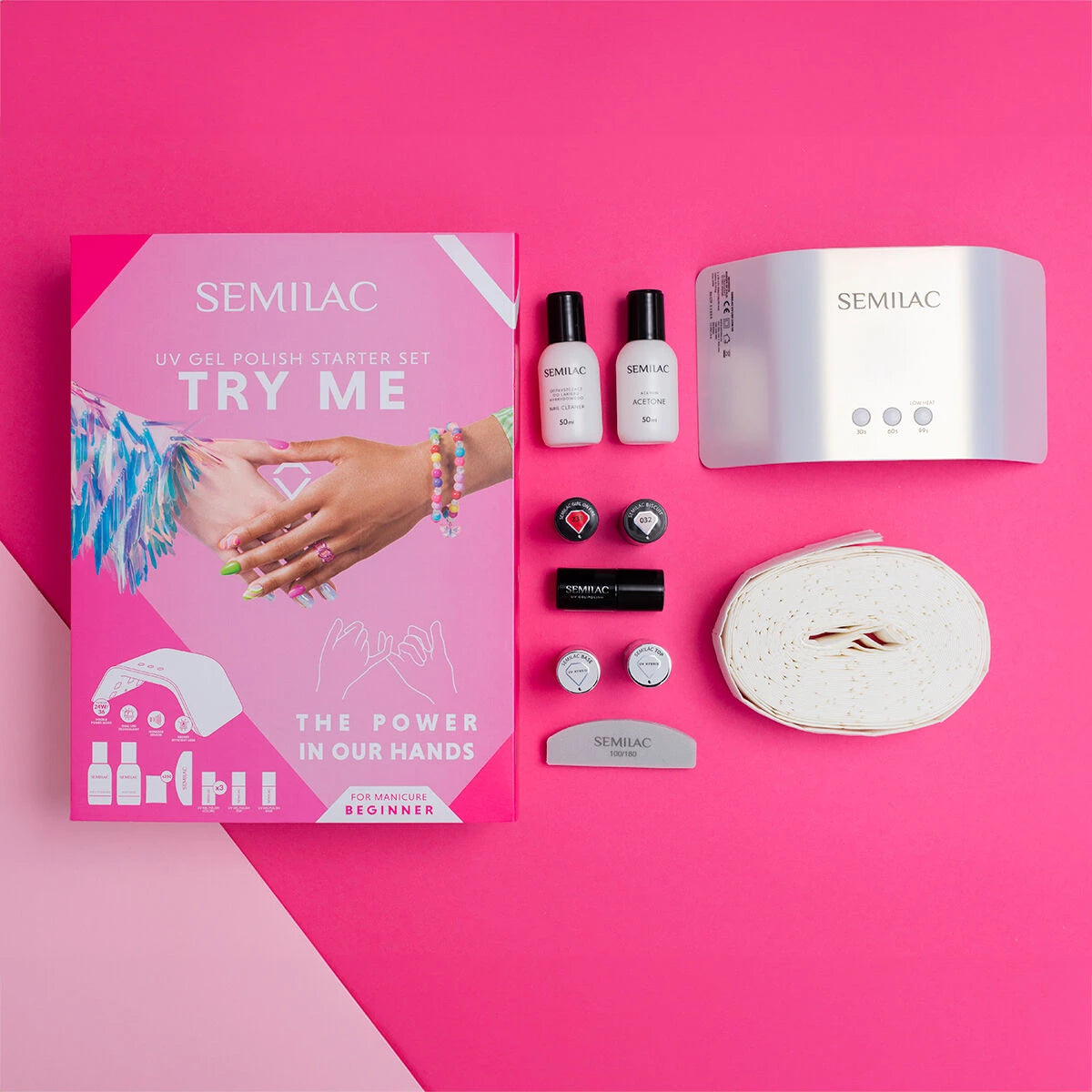
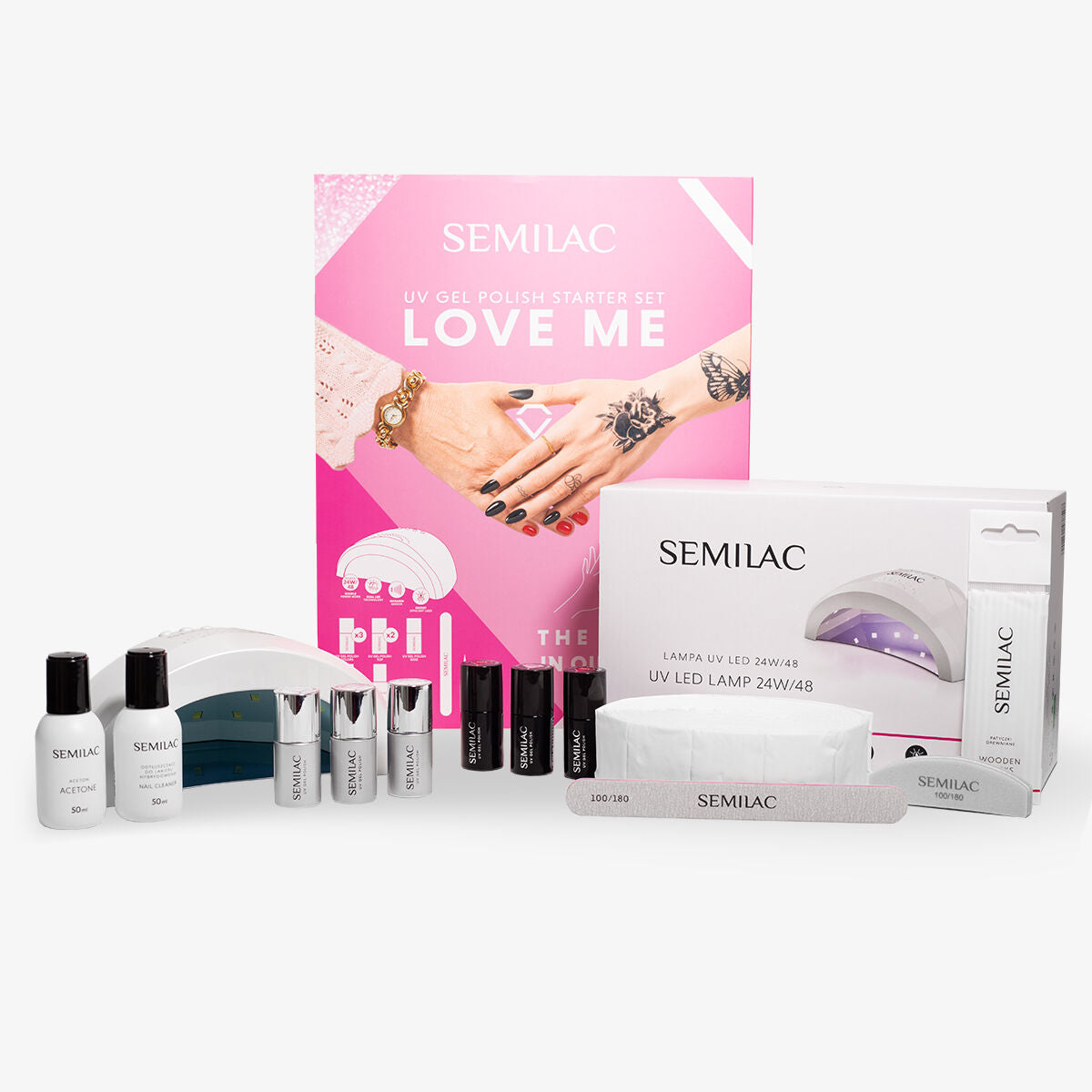
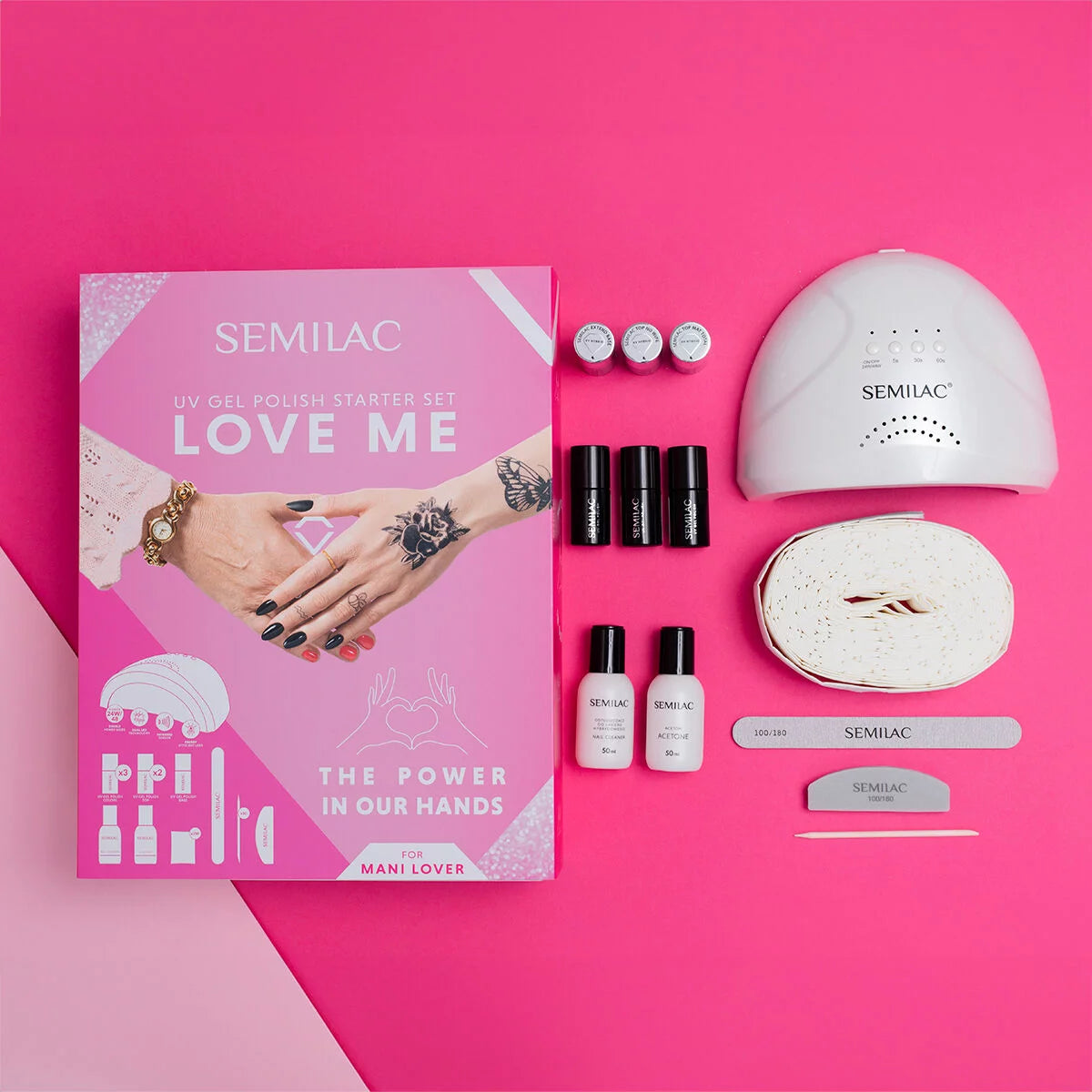
Products: Semilac Base, gel colour, Top Coat. Use the UV LED Lamp 48/24W, the detachable base plate makes foot curing easier than compact lamps.

Tier 2 — Classic Gel Pedicure (£38 to £48)
Everything in Tier 1, plus callus treatment, extended cuticle work with Semilac Cuticle Remover, foot scrub, and a Cuticle Oil massage. 45 to 50 minutes.


This is where most clients land after trying Tier 1 once. The upgrade conversation is easy: "Want me to do your cuticles properly and add the scrub today? It's an extra ten."
Tier 3 — Spa Pedicure (£55 to £68)
Everything in Tier 2, plus warm paraffin or hot towel wrap, extended foot and calf massage (5 to 8 minutes), and a take-home Cuticle Oil Coconut 7ml. 60 to 70 minutes.

Price this as your premium offering. It won't be your highest-volume service, but it has the best margin and it's the one clients talk about to their friends. Word-of-mouth from a great spa pedicure outperforms any social media ad.
The details that drive rebookings
Rebooking doesn't happen because of the colour. It happens because of four things you control.
1. The soak temperature.
Ask. Don't guess. "Is that warm enough for you?" takes three seconds and tells the client you're paying attention. Lukewarm water is the most common pedicure complaint that clients never mention out loud. They just don't come back.
2. The consultation.
Three questions before you start: "Any areas that are sore or sensitive?" "Have you got a colour in mind, or would you like me to suggest?" "Are you doing anything special this week?"
The first question protects you. The second opens the upsell. The third builds a relationship. All three take 30 seconds.
3. The finish.
Cuticle oil on every toe after the top coat cures. A final wipe with cleanser. Toes separated while they admire the result. This is the moment they take a photo for Instagram. Make sure it looks worth photographing.
Finish with: "These will last you 3 to 4 weeks. Want to book in for a refresh?" Making the rebooking easy at the time of service is the single biggest driver of repeat visits. Don't wait for them to remember.
4. The take-home.
A small aftercare card with your booking link and a mini cuticle oil. Cost: under £3. Return: a client who thinks of you every time they use the oil. The Semilac Cuticle Oil Coconut 7ml is sized right for this: retail-quality, branded, small enough to fit in a makeup bag.
Summer pedicure: the business case
June through August is peak pedicure season. Clients who never book pedicures the rest of the year will book them now. That seasonal demand is your opportunity to convert one-time visitors into year-round clients.
The conversion strategy is simple: deliver a Tier 2 experience the first time, rebook before they leave, and follow up with a text reminder two days before the appointment.
Your product cost per gel pedicure is roughly £3 to £4 (base, colour, top, cuticle oil, remover). At £38 to £48 per service, the margin is strong. Even a modest pedicure column, 3 per day for 4 days a week, adds £456 to £576 per week in revenue.
Frequently asked questions
How do I handle clients who are embarrassed about their feet?
Normalise it. "You'd be surprised how many people say that. Your feet are fine, and they'll look great in 30 minutes." Keep your expression neutral when you first see the feet. Clients are watching your face.
Should I charge more for pedicure than manicure?
Yes. Pedicure takes longer, requires more physical effort, uses more product (callus treatment, foot scrub, larger surface area for polish), and occupies more space. A £5 to £10 premium over manicure is standard and expected.
What if a client has a fungal nail?
Don't treat it. Explain that you can't apply gel polish to affected nails, suggest they see a podiatrist, and offer to polish the unaffected toes. Being honest builds more trust than pretending everything is fine. You can recommend they return once the issue is resolved.
How do I upsell from express to classic?
During the express service, when you're doing the basic cuticle push-back, say: "Your cuticles could do with a proper treatment. Want me to upgrade to the classic today? It's an extra [£X] and I'll do the scrub and oil as well." The client can feel the difference, so the upsell is based on experience, not a pitch.
Stock list for all three pedicure tiers

- Semilac Cuticle Remover 7ml
- Semilac Nourishing Nail and Cuticle Oil 11ml
- Semilac Cuticle Oil Coconut 7ml
- Semilac Remover 125ml
- Semilac UV LED Lamp 48/24W (detachable base plate for feet)
- UV Gel Polish Base
- UV Gel Polish Top
- Semilac Gel Colours, full range
Trade pricing: 20% professional discount on the entire range. Free UK delivery on orders over £25. Join the Semilac Professional Network if you're not already registered.
Related reading: